Cosmetic tattooing is a skilled trade. It rewards people who measure before they mark. This guide sets out the route in order: the skills to build, how to choose a training pathway, what practice really involves, and the hygiene and council rules to check before you take your first client.

Good artists aren’t defined by the machine they own. Three abilities do most of the work, and you can start building all three before you enrol.
Proportion, symmetry and how features move. Brow mapping and lip outlining rely on measuring the face you have in front of you, not following a template.
Consistent pressure, angle and speed. Drawing hair strokes and gradients on paper builds the same patience that practice skins demand later.
Listening, managing expectations and explaining aftercare clearly. Clients trust an artist who can say when a treatment isn’t the right fit.
Most people begin with one technique rather than trying to learn everything at once. Brows, lips and eyes each need different skills. A broad foundation such as the Cosmetic Tattoo Course suits people who want the fundamentals first.
Compare how much supervised practice each course includes, who does the teaching and what support you get after class. Our guide to choosing a cosmetic tattoo course lists the questions worth asking, and the courses hub sets out every program side by side.
Plan for repeated drills on practice skins before you work on a live model. Photograph your work under consistent light, compare it with earlier attempts and ask for feedback on stroke direction, depth and symmetry.
Techniques, pigments and equipment keep changing. Many artists add a second specialism once the first is reliable. The career guide looks at how a practice can grow.
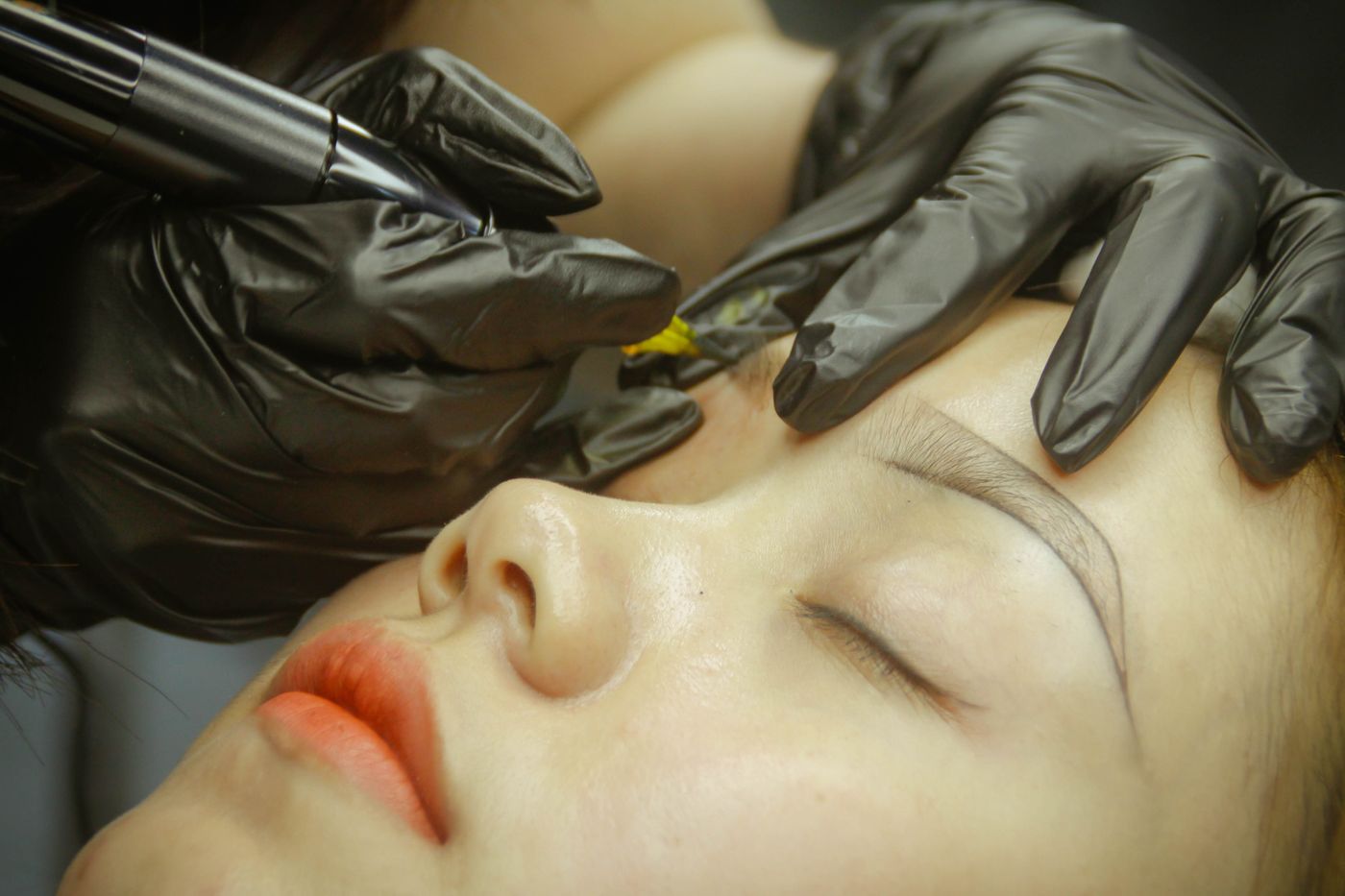
Cosmetic tattooing breaks the skin, so infection control is part of the job from day one. You will need to understand single-use consumables, how to set up a clean work area, how to dispose of sharps and how to handle waste.
Rules for skin penetration businesses differ between states and territories, and many local councils also have their own requirements for premises. Before you start working with clients, check what applies to you with your state or territory health department and your local council. They are the authority on registration, inspections and premises standards, and their guidance comes before anything a course or article tells you.
Next, read about the techniques, then enquire about the course that fits where you want to start.