
Plate I
Course 01
The anchor program for anyone starting out in cosmetic tattooing. Before any brow, lip or eyeliner specialism, students learn to read the face, work to hygiene principles and understand how skin receives pigment.
CONTENTS OF THIS PLATE
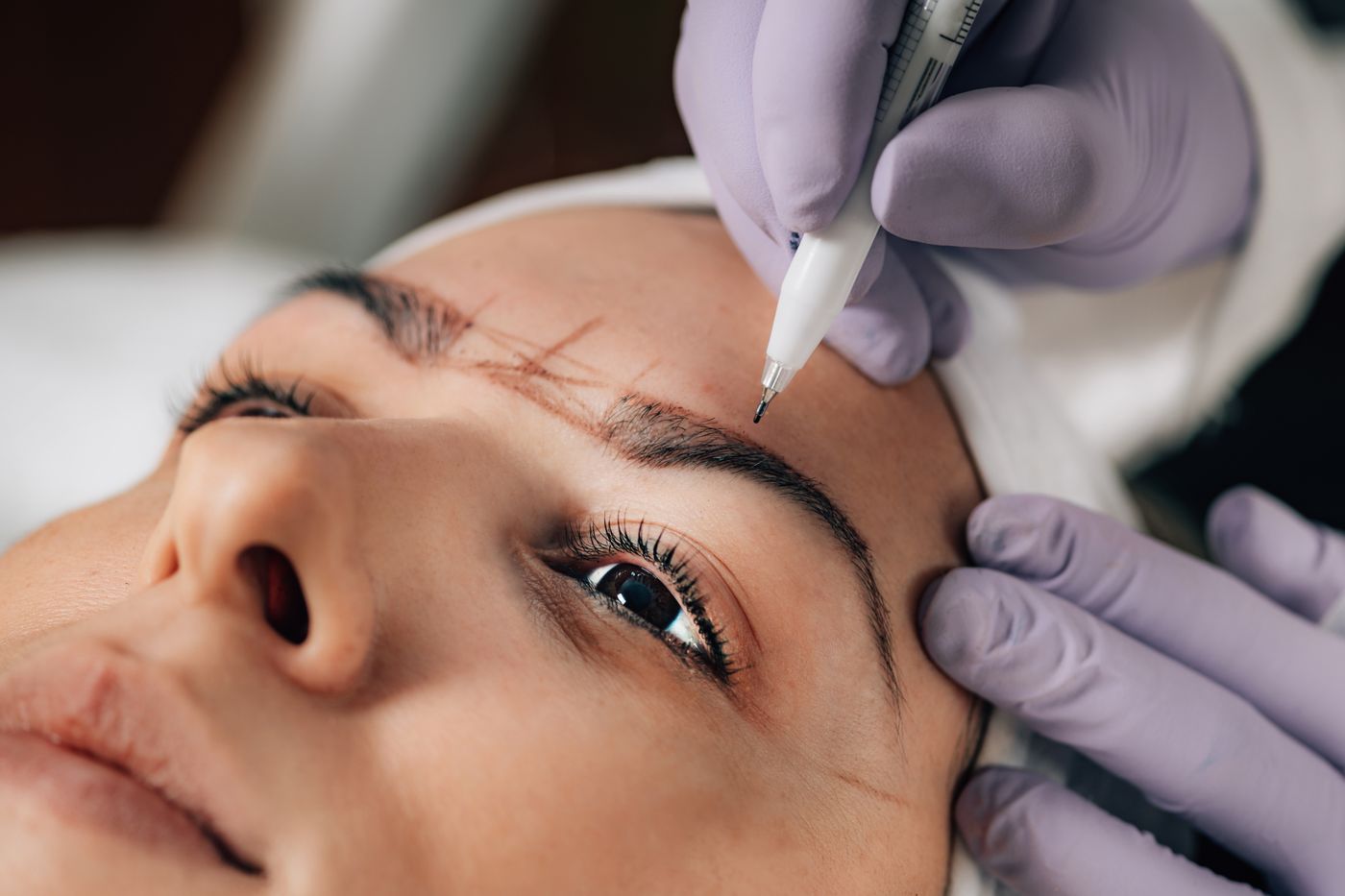
Fig. 1 — Brow mapping with a cosmetic pen before any pigment is applied. Reference photograph.
Plate II
II
The Cosmetic Tattoo Course is where the rest of the curriculum begins. It sets out the principles every technique shares: how facial proportions guide placement, why a clean and controlled working area matters, and how skin type and pigment choice affect the result.
Once these foundations are in place, specialist programs like the Eyebrow Tattoo Course, Lip Tattoo Course and Eyeliner Tattoo Course make much more sense, because each builds on the same way of looking at a face.
New entrants who want a structured start before choosing a specialism.
Beauty professionals such as brow stylists and makeup artists adding cosmetic tattoo to their skills.
Career changers researching the field. Start with How to Become a Cosmetic Tattoo Artist in Australia.
Plate III
Three areas of study come before any single technique. Each one comes up again in every specialist course.
III.1
Reading bone structure, symmetry and natural features so placement follows the face rather than a template. Mapping is the step students return to most often. Our guide to microblading training shows how it shapes hair-stroke work.
III.2
Setting up a clean workspace, handling single-use items and controlling cross-contamination. These habits protect clients and practitioners alike. Hygiene requirements for skin penetration work vary between states and councils, so we cover the principles and explain why local rules matter.
III.3
How skin types, undertones and healing affect how pigment settles, and why depth and colour choice need care. For the tools involved, see the Cosmetic Tattoo Equipment Guide.
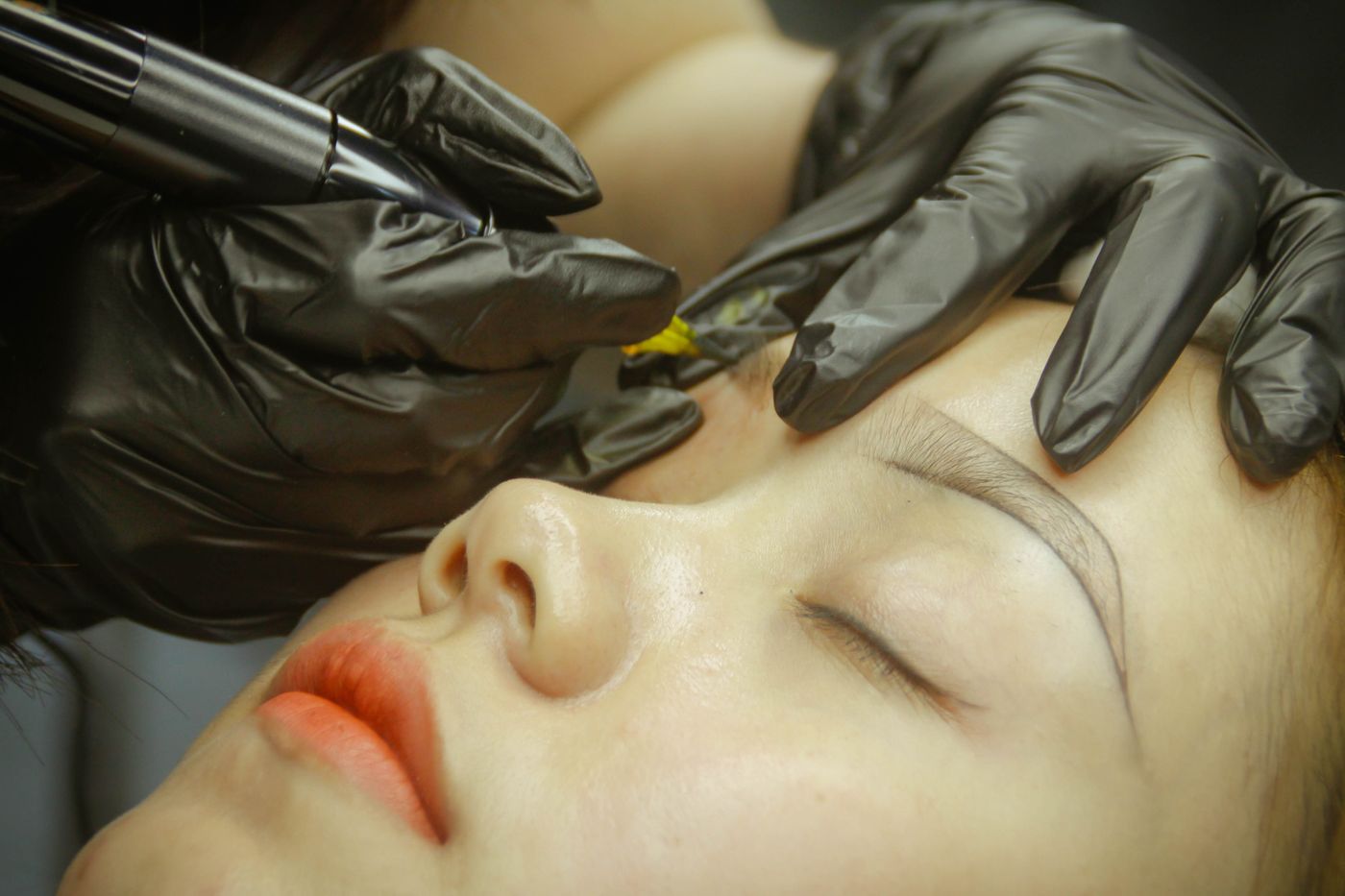
Fig. 2 — Machine work at the brow, with pigment within reach. Reference photograph.
Plate IV
The course moves from theory to observation to guided practice: mapping and hygiene first, then skin and pigment, then hands-on work on practice skins under supervision.
Current dates, duration, class format and training locations are confirmed when you enquire, so you get accurate details for your intake.
You will learn to assess a face, prepare a safe workspace and make informed pigment decisions. We explain the materials and support included in the course when we respond to your enquiry. Common questions are answered on the Cosmetic Tattoo Course FAQ.
Plate V
Meet the people who teach the program on Our Cosmetic Tattoo Trainers, including their expertise and training approach. To see the kind of work each course leads to, visit the Student Work Gallery.
AFTER THE FOUNDATIONS
Plate VI
Ask about upcoming intakes, format and inclusions for the Cosmetic Tattoo Course. For general questions, you can also contact us.